Search In-The-Sky.org
Events
|
1. |

|
The Andromeda Galaxy is well placed The Andromeda Galaxy M31 (mag 3.4) culminates at around midnight local time. Fri, 02 Oct 2026 (14 days ago) in Andromeda |
|
2. |
|
Lunar occultation of Beta Tauri The Moon will pass in front of Beta Tauri (Elnath), creating a lunar occultation visible from countries and territories including Brazil, Argentina, Peru and Bolivia amongst others. Fri, 02 Oct 2026 at 03:58 EDT (14 days ago) in Taurus |
|
3. |
|
The Moon at perigee The Moon makes its monthly closest approach to the Earth, appearing larger than at other times of the month – though only very fractionally. Thu, 01 Oct 2026 at 16:51 EDT (15 days ago) in Taurus |
|
4. |
|
Close approach of the Moon and M45 The Moon and M45 pass close to each other. Wed, 30 Sep 2026 at 14:03 EDT (16 days ago) in Taurus |
|
5. |

|
Asteroid 192 Nausikaa at opposition Asteroid 192 Nausikaa makes closest approach to the Earth. Wed, 30 Sep 2026 at 07:58 EDT (16 days ago) in Pisces |
|
6. |

|
47 Tuc is well placed The second brightest globular cluster in the sky, 47 Tuc (NGC 104; mag 4.0), in Tucana culminates at around midnight local time. Sun, 27 Sep 2026 (19 days ago) in Tucana |
|
7. |
|
Daytime Sextantid meteor shower 2026 The Daytime Sextantid meteor shower reaches its peak. Sun, 27 Sep 2026 (19 days ago) in Sextans |
|
8. |
|
Conjunction of the Moon and Saturn The Moon and Saturn share the same right ascension, at a separation of 6°55'. Sun, 27 Sep 2026 at 08:00 EDT (19 days ago) in Cetus |
|
9. |
|
Mercury at aphelion Mercury passes the furthest point along its orbit from the Sun. Sun, 27 Sep 2026 at 04:57 EDT (19 days ago) in Virgo |
|
10. |
|
Close approach of the Moon and Saturn The Moon and Saturn pass close to each other. Sun, 27 Sep 2026 at 02:35 EDT (19 days ago) in Cetus |
|
11. |
|
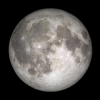
Full Moon The Moon reaches full phase and is visible for much of the night. Sat, 26 Sep 2026 at 12:48 EDT (20 days ago) in Pisces |
|
12. |

|
Neptune at opposition Neptune is optimally positioned for observation. Fri, 25 Sep 2026 at 21:28 EDT (21 days ago) in Pisces |
|
13. |

|
NGC 55 is well placed NGC 55 (mag 8.2), a barred irregular galaxy in Sculptor culminates at around midnight local time. Fri, 25 Sep 2026 (21 days ago) in Sculptor |
|
14. |
|
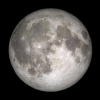
The Moon at aphelion The Moon passes its furthest point from the Sun, a monthly occurrence around the time of full moon. Wed, 23 Sep 2026 at 14:53 EDT (23 days ago) in Capricornus |
|
15. |

|
September equinox Day and night have equal length: the beginning of astronomical autumn in the northern hemisphere. Tue, 22 Sep 2026 at 20:08 EDT (24 days ago) in Virgo |
|
16. |

|
Venus at greatest brightness Venus reaches its greatest brightness in the evening sky. Tue, 22 Sep 2026 at 13:32 EDT (24 days ago) in Virgo |
|
17. |
|
Lunar occultation of Sigma Sagittarii The Moon will pass in front of Sigma Sagittarii (Nunki), creating a lunar occultation visible from French Polynesia, New Zealand and Pitcairn. Sun, 20 Sep 2026 at 02:45 EDT (26 days ago) in Sagittarius |
|
18. |
|
The Moon at apogee The Moon recedes to its orbit's furthest point from the Earth, making it appear fractionally smaller than at other times of the month. Fri, 18 Sep 2026 at 23:00 EDT (28 days ago) in Sagittarius |
|
19. |
|
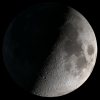
Moon at First Quarter The Moon reaches first quarter phase – appearing high in the sky at sunset and remaining visible until around midnight. Fri, 18 Sep 2026 at 16:44 EDT (28 days ago) in Ophiuchus |
|
20. |
|
Lunar occultation of Antares The Moon will pass in front of Antares (Alpha Scorpii), creating a lunar occultation visible from countries and territories including Antarctica, Australia, Tasmania and Heard Island and McDonald Islands amongst others. Thu, 17 Sep 2026 at 08:53 EDT (29 days ago) in Scorpius |


