This month on Naked Astronomy, we discover the streams of antimatter coming from lightning on Earth, and find out how to study the stars that ended the dark ages and brought light to the universe. We hear about Jupiter's role in Earth asteroid impacts, Cassini's flypast of Saturn's moon Rhea and the first science results from the Planck mission. Plus, your questions on light speed route planning, outrunning sunset and why the solstice doesn't coincide with the earliest dawn! Like this podcast? Please help us by supporting the Naked Scientists
More details of the podcast are posted here, and on the Naked Astronomy website.
The sky on 6 Aug 2026
| The sky on 6 August 2026 | ||||||||||||||||||||||||||||||||||
|
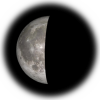
39% 23 days old |
All times shown in PDT.
|
|||||||||||||||||||||||||||||||||
Source
This information was taken from the Naked Astronomy website.
Image credit
© Naked Scientists